At the same time, there is something that has increased, and that is bottled water, which is one of the travel necessities. When outing or traveling, we unconditionally bring or purchase bottled water to quench our thirst.
Our favorite commercially available bottled water often contains microplastics, and other types of drinking water, such as tap water and water purifiers, often contain microplastics.
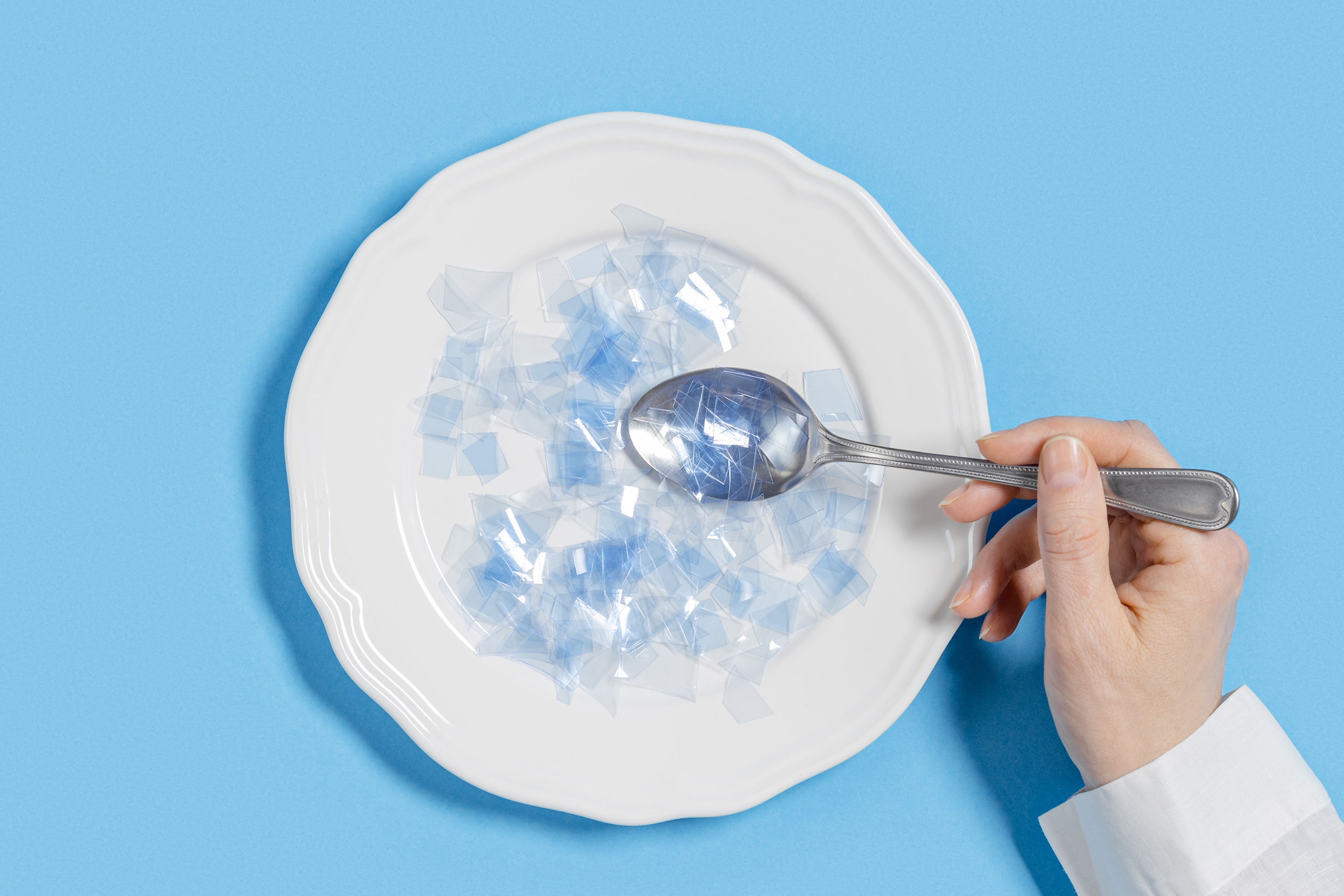
It is said that the amount of microplastics eaten per week is about 5g, which is the equivalent of one credit card. Would you believe me if I told you that I eat one credit card every week? A large amount of microplastics, which are invisible to the eye, are entering the body without our knowledge.
Today, we will tell you what effect these microplastics have on the human body and how to prevent them.
5g of microplastics eaten every week One credit card inside my body?
Microplastics are small pieces of plastic that typically range from 1 nm (nanometer) to 5 mm in diameter. Smaller sizes of less than 1nm are called nanoplastics. Because they are smaller, they are easier to enter the body and are more harmful than microplastics.
Last year, the National Institute of Environmental Research investigated 30 types of commercially available drinking spring water, and found that an average of 0.9 microplastics were detected per liter.
Most bottled water bottles are made of plastic, and there are many cases where microplastics are generated the moment you turn the bottle cap. Microplastics are so commonly found in our daily lives that they can even be detected in tap water and water purifiers.
Generally, these microplastics enter the human body through bottled water or tap water. Microplastics and nanoplastics can enter the arteries within the body, and can have many other effects when they enter the body. Let me tell you what the impact is.
Microplastics accumulated in the body What are the negative effects on the human body?
When microplastics enter the body, they are sometimes filtered out through waste products, but recently, they are often found within blood vessels, causing various diseases.
In particular, research has shown that when microplastics accumulate in blood vessels, the probability of a heart attack increases sharply compared to when it does not, and the risk of stroke and cardiovascular disease increases by more than four times.
In general, microplastics are particles so small that they are invisible to the eye, so we often do not pay attention to them. They are commonly ingested from tap water consumed while showering or brushing teeth, tap water used for cooking, and water purifiers that do not filter well.
The microplastics that we ingest without realizing it in our daily lives are said to be equivalent to one credit card each week, and they continue to accumulate in the body, leading to stroke and cardiovascular disease and even increasing the probability of death.
Even if you pay just a little bit of attention to these microplastics in your daily life, you can significantly reduce your body's intake of these microplastics.
Preventing microplastic ingestion Go to water purification filter, a filter specialist company!
The most effective way to block microplastics is to filter them out of water. Water purification filters, which have been widely used recently, can filter out microplastics contained in tap water and purified water.
However, not just any water filter filters out microplastics. You must use a water purification filter that can filter even microplastics, and you must use a water purification filter containing real filters made by a professional filter company.
Generally, Escherichia coli is 0.7um and ultrafine plastic is 1um, but the PES filter is 0.65um, so it can be used safely because it filters out E. coli and ultrafine plastic. It also removes microplastics, rust, and residual chlorine, which are larger particles.
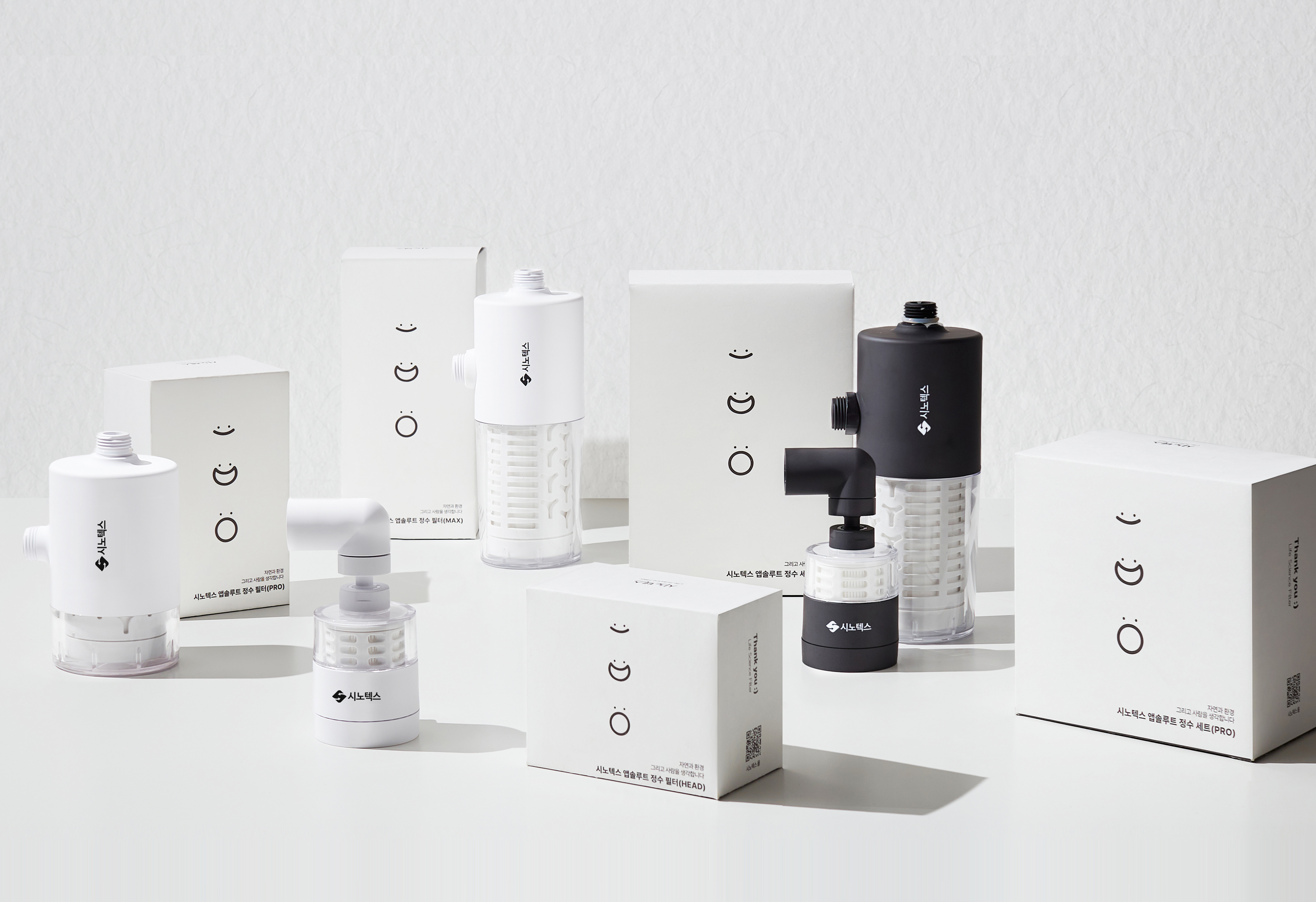
Stop consuming one credit card a week and drink safe, clean water with a Sinotex water filter!