Fine dust and heart disease
One in five people with cardiovascular disease is caused by air pollution, which is considered the fourth largest cause of death after high blood pressure, smoking, etc.

In particular, One in five people with cardiovascular disease is caused by air pollution, which is considered the fourth largest cause of death after high blood pressure, smoking, etc.
At 'Heart Failure 2022', a scientific competition hosted by the European Society of Cardiology (ESC) this year, research results were announced that life-threatening cardiac arrhythmia increases on days with severe air pollution.
Cardiac arrhythmia refers to the occurrence of irregular phenomena such as abnormally fast or slow heartbeat due to abnormalities in the electrical signals that control the contraction and relaxation of the heart.
This is significant because it has been proven that air pollution is also fatal to heart disease, contrary to the view that air pollutants can affect heart disease through the respiratory tract.
According to research results, the risk of ventricular arrhythmia increases by 1.5% for every 1μg/m3 increase in ultrafine dust concentration, and when the ultrafine dust concentration rises by 1μg/m3 above the average for one week, ventricular arrhythmia occurs regardless of temperature. It is said that the possibility was 2.4% higher.
This proves the relationship between air pollutant concentration and ventricular arrhythmia.
“ The study's lead author, Dr. Alessia Zanni of Maggiore Hospital in Italy, said: “People at high risk of ventricular arrhythmia should check air pollution levels every day,” he emphasized. ”
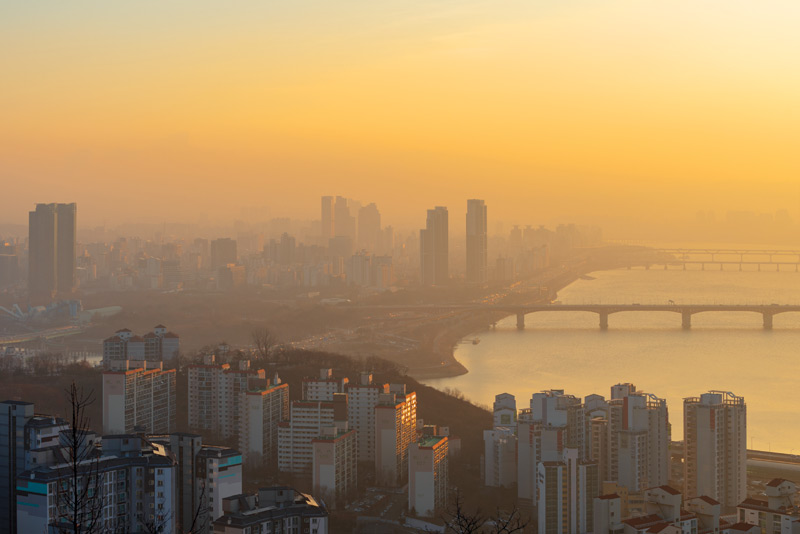
Because winter is dry, the concentration of fine dust and ultrafine dust tends to increase.
Synotex mask is a 300 nanometer pore size membrane filter, the smallest size in the industry. This is a premium product that physically blocks harmful substances.